
Escape and Unattainable Homecoming
The ReaderMichael’s repeated escapes into work, history, travel, and memory reveal a persistent desire for home that no return can satisfy.
increasing Bearing strength in each event
 decreasing
Bearing strength in each eventdecreasingLeaving the City in Dreams
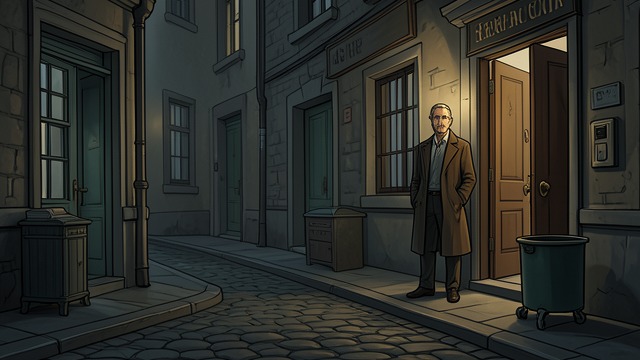
A Door Never Opened
The Familiar House Elsewhere
Michael sees the old building in unfamiliar cities or isolated countryside. Recognition comforts him, as if the house were an old friend discovered far from home.
The Unfinished Entrance
He approaches and turns the knob but never opens the door before waking. The dream stages a return that remains suspended at the threshold.
A Career as Retreat

Escaping Legal Roles
Refusing Familiar Professions
Michael cannot imagine himself as prosecutor, defense attorney, judge, or administrator. A position in legal history allows him to avoid immediate professional choices.
Arrival Somewhere Else
He admits that escape is not only flight but arrival in a chosen niche. The past he studies remains active, so his retreat becomes an indirect way of facing the present.
The Odyssey Reconsidered
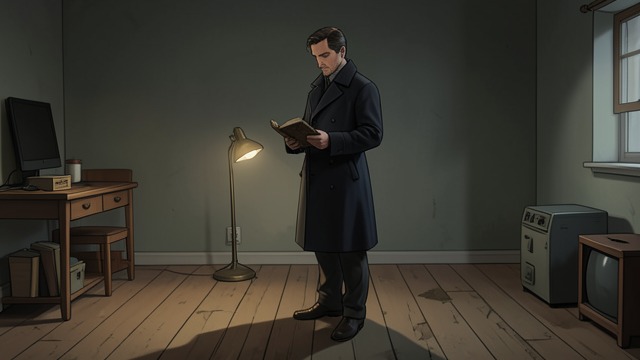
Motion Without Homecoming
Reading Again
Michael rereads the Odyssey during sleepless nights and begins recording it for Hanna. He had once understood the work as a story about returning home.
Setting Out Again
He now sees Odysseus returning only to depart again. Homecoming becomes movement rather than arrival, a pattern he connects to legal history and his own repeated escapes.
The Imagined Country House

A Home Built in Fantasy
Hanna in Ordinary Life
Michael imagines Hanna living with him in an autumn landscape, shopping and moving through a house. The fantasy repairs the distance of their actual history by giving it a domestic future.
Reality Returns
He recognizes that Hanna cannot live in America or drive, and then remembers that she is dead. The imagined home reveals itself as a longing rather than a plausible reunion.
A Story That Cannot Free Him
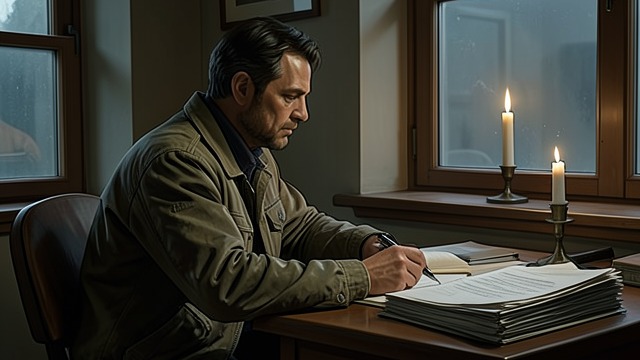
Writing as Return
Revisiting the Past
Michael writes the story of himself and Hanna after years of mental revisions. He first hopes writing will free him, then hopes it will recover memories that seem to be slipping away.
Peace Without Escape
The story eventually returns with its own shape, and Michael makes peace with it without calling it happy. Earlier pain and longing remain alive within later experience, so narration offers recognition rather than release.
In Michael’s recurring dreams about the old Bahnhofstrasse building
After Michael’s state examinations
After Michael and Gertrud separate
Autumn, on the train from Boston to New York
Ten years after Hanna’s death
